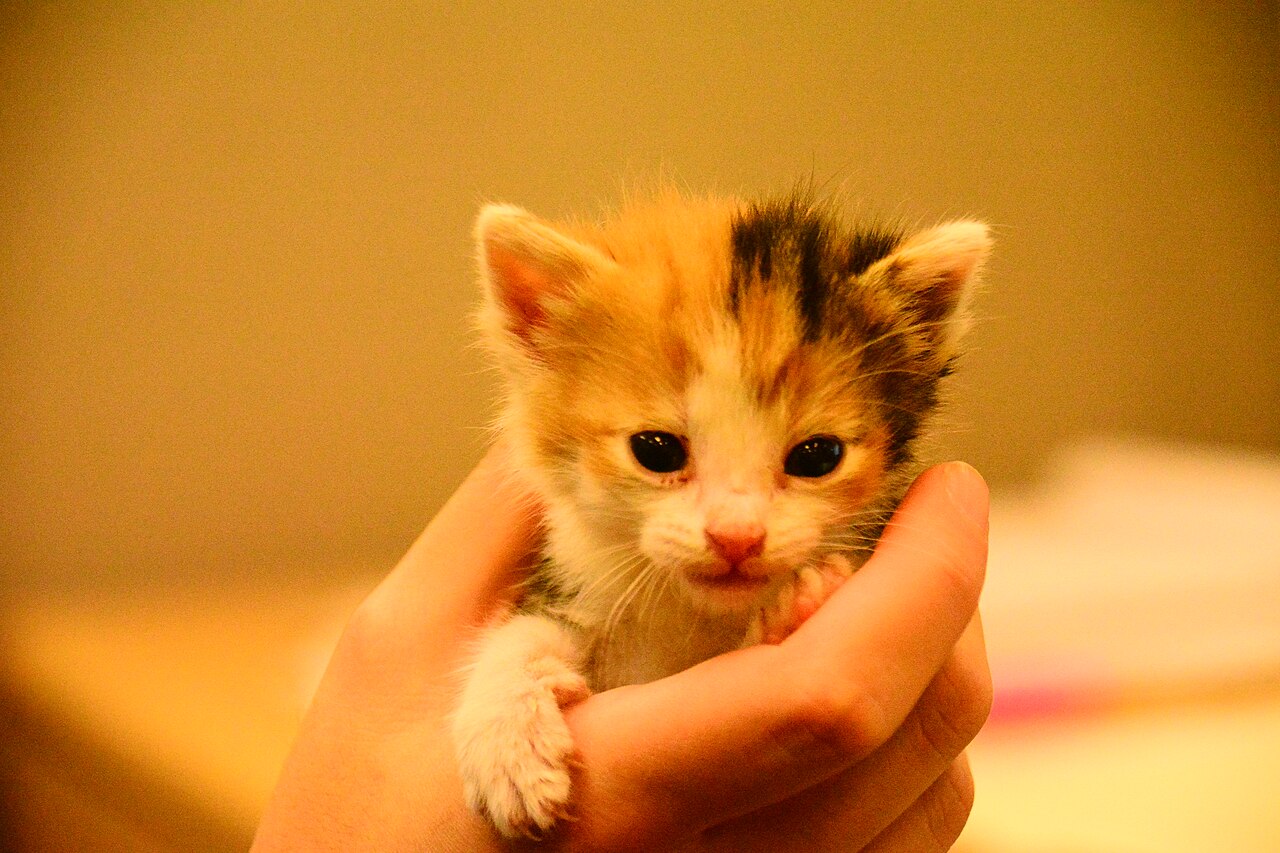
We have long championed the slow blink as the highest form of communication. Yet many clients misunderstand it. Here is a translation guide, compiled over a year of sessions, three meetings, and one firm disagreement with a lamp.
The standard slow blink
When a counsellor closes her eyes slowly while looking at you, she is saying, “I trust you.” It does not mean she is bored. It does not mean she is asleep. It does not mean you should stop talking, although she may stop listening.
The half blink
This is a hedge. It means “I am not fully committed to this idea but I will not argue.” Clients should respond with a half blink back. If you respond with a full stare, you have started a negotiation.
The double blink
The double blink is a sign of deep affection, and a request. Typically the request is for food. It is very hard to tell which part is the affection and which the request, which is why we do not use it in sessions.
The long blink with a yawn
A caution. This is not a slow blink. This is a yawn that has gotten ahead of itself. Do not respond.
The accidental blink
Cats blink. Sometimes there is dust. Do not read meaning into every flutter. Dr. Biscuit once spent four months analysing an accidental blink and eventually concluded that the client had something in his eye.
How to practise
At home, sit across from someone you trust. Make eye contact. Slowly close your eyes, count to two, and open them. Do not force it. If the other person blinks back, you have a friendship. If they look away, you have a dog.
Why it matters
The slow blink says what words cannot, and it does so with very little effort. It says “I am safe with you,” “I am not a threat,” and “I would like you to know that the couch is mine.”
Pawsitive Therapy Counselling is a fictional parody practice. If you need real emotional support, consult a qualified professional. If you need someone to blink at, we are here.